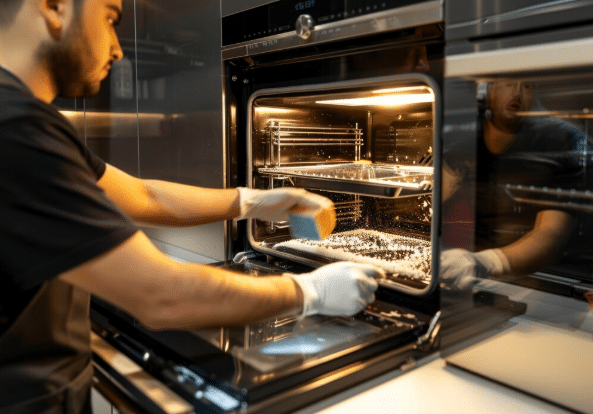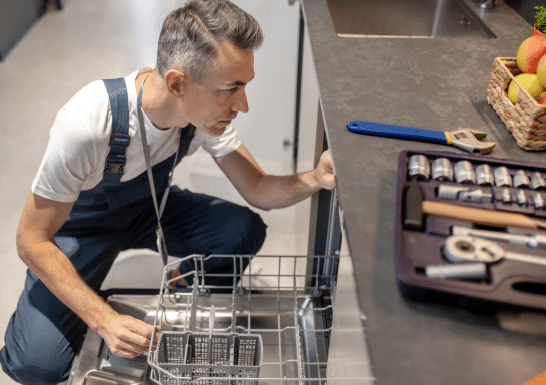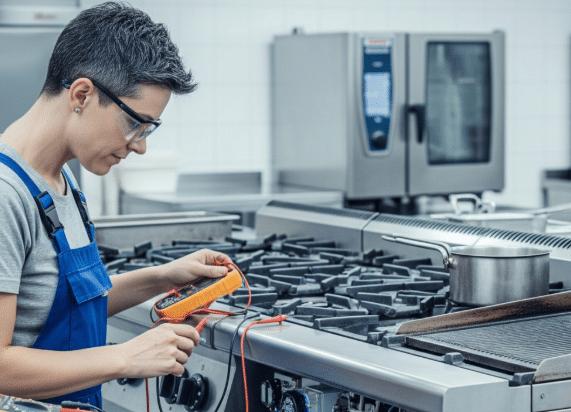

Commercial cooking equipment should heat, cook, and work properly during every shift. Strange sounds, weak heat, gas smells, leaks, repeated shutdowns, or damaged parts can signal a serious problem. Ignoring these signs can slow food service and create safety risks.Restaurant cooking equipment repair can help find the problem before the equipment stops working completely.
Ovens, fryers, grills, ranges, and other kitchen appliances handle heavy use each day. Simple warning signs should not be pushed aside. Quick attention can protect the equipment, reduce downtime, and help keep kitchen service running smoothly.
1. Uneven or Weak Heating
Cooking equipment should provide steady heat. If an oven takes too long to heat, a grill has cold spots, or a fryer cannot reach the needed temperature, the equipment may have a problem.
Weak heat can slow cooking and affect food quality. A damaged heating part, thermostat, burner, or control may be the cause. Continued use can make the problem worse and lead to a larger repair.
2. Strange Sounds or Strong Smells
New grinding, banging, clicking, or loud humming sounds should not be ignored. These sounds may point to a loose part, worn motor, fan problem, or another issue inside the appliance.
Strong burning smells also need quick attention. A gas smell is even more serious. If unusual smells or sounds appear, the equipment should be checked by a trained professional before continued use.
3. Repeated Shutdowns or Error Codes
A commercial appliance that keeps shutting down can cause major delays during a busy shift. Repeated shutdowns may point to overheating, electrical trouble, faulty controls, or another equipment problem.
Error codes can also give clues about what is wrong. Resetting the machine may only solve the problem for a short time. If the same error returns, professional service can find the real cause.
4. Visible Damage or Leaks
Cracks, broken parts, loose connections, exposed wires, or leaks are clear warning signs. An appliance may still turn on, but visible damage should never be ignored. Water, grease, or gas leaks can create serious problems in a busy kitchen. Damaged equipment should be checked before more work is done. A technician can determine whether a part can be repaired or needs to be replaced.
5. Equipment Takes Longer to Work
A cooking appliance may keep working while slowly losing performance. An oven may take longer to heat, a fryer may struggle to reach temperature, or a range may produce weaker flames. Longer cooking times can slow down orders and place more stress on the equipment. Restaurant equipment repair can help find worn parts or other problems before the appliance stops working.
Warning Signs Staff Should Report
Kitchen staff use cooking equipment every day, so they can spot changes quickly. A simple habit of reporting problems can help prevent small issues from becoming major breakdowns.
Watch for signs such as:
- Uneven heating
- Strange sounds
- Burning or gas smells
- Repeated error codes
- Unexpected shutdowns
- Cracks or broken parts
- Gas, water, or grease leaks
- Longer heating times
Quick action can lower the risk of a sudden breakdown. It can also help protect employees, kitchen equipment, and daily food service.
Why Timely Repair Matters
Commercial cooking equipment works hard during every shift. Waiting until an appliance stops completely can cause longer downtime and missed orders. Professional inspection can find the problem and show what needs to be fixed.
Timely restaurant cooking equipment repair can bring equipment back to proper working order. Fixing worn or damaged parts early may also reduce the chance of more problems and keep important appliances ready for the next shift.
Frequently Asked Questions
How can I tell if commercial cooking equipment needs repair?
Uneven heating, strange sounds, unusual smells, repeated shutdowns, error codes, leaks, and slow performance can signal a problem. Equipment showing these signs should be checked before the issue becomes worse.
Why is a commercial oven heating slowly?
A faulty heating part, thermostat, burner, electrical issue, or damaged control may cause slow heating. If the oven continues to heat slowly, professional inspection can find the exact problem.
Is a gas smell from cooking equipment dangerous?
Yes. A gas smell should never be ignored. Move people away from the area and follow proper safety steps. Professional help should be arranged before the equipment is used again.
How often should commercial cooking equipment be checked?
The right schedule depends on the equipment, how much it is used, its age, and manufacturer instructions. Regular checks can find worn parts and problems before they cause downtime.
Can damaged commercial cooking equipment be repaired?
In many cases, damaged equipment can be repaired if the main unit is still in good condition. A professional can inspect the appliance and decide whether repair or replacement makes more sense.
Keep Kitchen Equipment Ready for Service
A busy kitchen needs equipment that works properly. Strange sounds, weak heating, leaks, shutdowns, and other warning signs should receive attention before they affect food service. Bay Master Appliances provides professional appliance repair support for commercial kitchens. Contact Bay Master Appliances when cooking equipment needs inspection or repair.
Final Thoughts
Commercial cooking equipment does not need to stop completely before it needs repair. Small changes can warn of a larger problem. Weak heat, strange sounds, unusual smells, leaks, shutdowns, and slow performance should all receive attention. Quick equipment restaurant repair can help reduce downtime, protect kitchen equipment, and keep daily food service running smoothly.