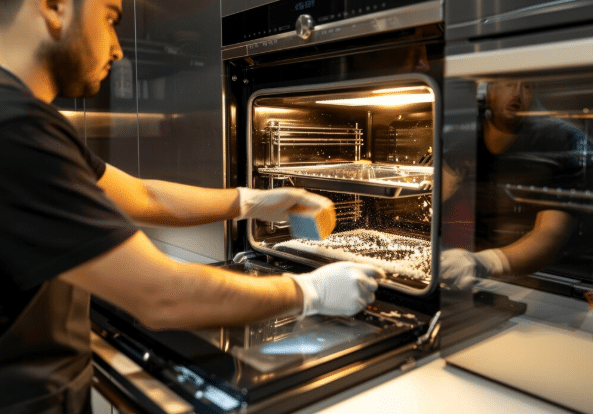

When commercial kitchen equipment stops working properly, replacing a damaged part may not solve the entire problem. Restaurants, cafés, hotels, and other foodservice businesses depend on reliable equipment to prepare food, maintain service schedules, and keep daily operations running smoothly. Commercial appliance repair in Sacramento involves more than replacing faulty components. It requires identifying the underlying cause, checking related components, and confirming that the equipment operates properly after the repair.
If the root cause is overlooked, the same issue may return, leading to additional repair costs and unnecessary downtime. A thorough diagnostic process helps business owners understand what went wrong, which components need attention, and what steps may help prevent similar problems in the future.
One Appliance Problem Can Have Several Possible Causes
Commercial kitchen appliances contain multiple components that work together. A fault in one area can affect the performance of the entire unit, and similar symptoms may result from different underlying problems. This is why professional diagnosis is important before deciding which parts to replace.
Here are some examples of commercial equipment issues that may require a closer inspection:
- Commercial ovens: Uneven cooking or slow preheating may be related to a heating element, temperature sensor, thermostat, or control system.
- Food preparation equipment: Grinding, rattling, or unusual operating sounds may indicate worn bearings, loose components, or mechanical damage.
- Commercial dishwashers: Incomplete wash cycles or poor cleaning results may be associated with water supply problems, blocked filters, drainage issues, or faulty controls.
- Commercial refrigerators and freezers: Temperature fluctuations may result from airflow restrictions, damaged door seals, sensor problems, or refrigeration system faults.
- Commercial cooking equipment: Unexpected shutdowns may point to an electrical issue, an overheating component, or a problem with the appliance’s safety controls.
These symptoms can help narrow down the possible causes, but they do not always identify the exact fault. A qualified technician can inspect the appliance, test relevant components, and determine which repairs are appropriate for the equipment.
How Guesswork Can Lead to Repeat Repairs
Replacing a component without identifying why it failed can result in recurring problems. For example, a commercial oven may continue losing power even after a faulty component has been replaced. If the actual cause involves an electrical connection or another related component, the original problem may remain unresolved.
Repeated failures can create several challenges for commercial kitchens:
- Unexpected downtime: Equipment may become unavailable during busy service periods.
- Additional expenses: Businesses may need to pay for repeated visits, replacement components, and extra labor.
- Disrupted kitchen operations: Staff may need to adjust preparation schedules or use alternative equipment.
- Inconsistent performance: Appliances that do not operate correctly can affect cooking times, food quality, and workflow.
- Potential safety concerns: Electrical faults, overheating, and other serious issues may create hazards if ignored.
For businesses seeking commercial appliance repair in Sacramento, CA, accurate diagnosis can help technicians focus on the underlying problem rather than relying on trial-and-error part replacement.
Information to Share Before Booking a Repair
Kitchen managers and business owners can help the repair process by describing the issue clearly. Before contacting a service provider, gather the following information when available:
- The appliance type, brand, and model number.
- A description of the problem and when it first appeared.
- Whether the issue happens continuously or intermittently.
- Any error codes or warning indicators displayed on the control panel.
- Any recent changes in performance, operating sounds, or temperatures.
- Details of previous repairs related to the same problem.
This information gives the technician a useful starting point and may help prepare for the service visit. Staff should not remove panels, dismantle components, or attempt repairs that require specialized training.
What Should a Proper Commercial Appliance Repair Include?
The repair process depends on the appliance, the symptoms, and the type of fault. However, a thorough service visit should focus on identifying the cause of the problem and checking whether the repair resolves the reported symptoms.
1. Initial Inspection and Problem Assessment
The technician reviews the reported symptoms, examines the appliance, and checks for visible signs of damage or abnormal operation. Information about previous failures can also help guide the inspection.
2. Diagnostic Testing
Relevant components may be tested to identify the source of the fault. Depending on the appliance, this could involve checking electrical connections, heating components, temperature sensors, controls, motors, water flow, or other related systems.
3. Repair Recommendations
Once the likely cause has been identified, the technician can explain the recommended repair and any related concerns. Business owners should understand the proposed work, expected costs, and whether additional repairs may be necessary before authorizing service.
4. Operational Checks
After the repair, the appliance should be checked as appropriate to confirm that the original symptoms have been addressed and that it operates normally. If the problem persists, additional diagnosis may be required.
For businesses arranging commercial kitchen appliance repair in Sacramento, this systematic approach can provide a clearer understanding of the repair and reduce reliance on guesswork.
Why Safety Matters During Commercial Appliance Repairs
Commercial kitchen equipment may involve high temperatures, electrical components, moving parts, water connections, or gas supplies. Attempting an unqualified repair can cause further damage or expose staff to unnecessary risks.
If an appliance produces smoke, emits a burning smell, has visibly damaged wiring, or repeatedly trips a circuit breaker, staff should stop using it and arrange a professional assessment. If gas is suspected, leave the area, avoid operating electrical switches or creating ignition sources, and contact the appropriate emergency or gas service from a safe location.
Kitchen staff should follow the manufacturer’s instructions and avoid opening electrical panels, bypassing safety controls, or attempting repairs beyond their training.
Safety is especially important in busy commercial kitchens, where equipment problems can affect both employees and daily operations.
How Proactive Maintenance Can Help Reduce Equipment Problems
Repairing an appliance after it fails is sometimes unavoidable, but routine care can help businesses identify developing issues before they cause major disruption.
Commercial kitchen managers can support equipment reliability by:
- Following the manufacturer’s recommended cleaning and maintenance instructions.
- Keeping ventilation openings and accessible filters clear where the manufacturer permits.
- Checking door seals and reporting unusual temperature changes.
- Paying attention to new noises, repeated error codes, or longer operating times.
- Arranging professional inspections when recurring symptoms appear.
- Keeping records of service visits, repairs, and equipment performance.
Maintenance cannot prevent every breakdown, and the appropriate schedule depends on the equipment and its usage. However, consistent monitoring and timely attention to warning signs can help businesses make better maintenance decisions.
Choosing a Commercial Appliance Repair Service in Sacramento
When commercial equipment breaks down, business owners need a service provider who can understand the problem and explain the available repair options. Before scheduling service, consider the following:
- Relevant experience: Ask whether the provider services your type and brand of commercial equipment.
- Diagnostic approach: Find out whether the technician will investigate the cause rather than simply replace the suspected part.
- Clear communication: Request an explanation of the recommended repair, estimated costs, and any additional concerns.
- Service availability: Confirm whether your business address is within the provider’s service area and ask about appointment availability.
- Post-repair checks: Ask how the technician verifies the reported issue has been addressed.
Choosing a provider based on clear communication, appropriate experience, and a sound diagnostic process can help businesses make informed repair decisions.
Frequently Asked Questions
1. Why does a commercial appliance stop working again after a repair?
A recurring fault may mean the original cause was not fully identified, another component is affected, or a separate issue has developed. Further inspection can help determine why the problem has returned.
2. What information should I provide when booking commercial appliance repair?
Share the appliance type, brand, model, symptoms, and any error codes. Explain when the problem occurs and whether the equipment has experienced similar issues before.
3. Why is my commercial oven heating unevenly?
Uneven heating may be associated with a heating element, thermostat, temperature sensor, control system, or another issue affecting heat distribution. The exact cause depends on the oven and requires appropriate diagnosis.
4. Should I continue using commercial equipment that shuts off unexpectedly?
Do not ignore repeated or unexplained shutdowns. Stop using the appliance if there are signs of an electrical fault, overheating, smoke, a burning smell, or other safety concerns, and arrange a professional assessment.
5. Can professional diagnosis help prevent repeat repairs?
Diagnosis helps identify the cause of a reported fault and determine which components require attention. Although no repair can guarantee that an appliance will never fail again, investigating the underlying problem can reduce the risk of the same issue being overlooked.
6. How can I reduce unexpected commercial kitchen equipment breakdowns?
Follow manufacturer-recommended maintenance procedures, monitor changes in performance, keep service records, and arrange professional inspections when recurring symptoms appear. Maintenance requirements vary by appliance and operating conditions.
7. When should I contact a commercial appliance repair service?
Contact a qualified service provider when equipment repeatedly malfunctions, fails to maintain the required temperature, makes unusual noises, displays recurring error codes, or disrupts kitchen operations. Serious electrical, gas, or overheating symptoms require immediate attention and appropriate safety precautions.
Keep Your Commercial Kitchen Equipment Operating Reliably
Reliable commercial kitchen equipment helps restaurants, cafés, hotels, and other foodservice businesses maintain consistent operations. When an appliance develops a fault, identifying the cause is just as important as replacing a damaged component. A careful diagnostic process can help clarify the required repair, address related issues, and support better equipment maintenance decisions.
Bay Master Appliances provides commercial appliance service for businesses experiencing equipment problems. Contact our team to discuss your appliance, explain the symptoms, and ask about service availability in Sacramento. Sharing the equipment details and the nature of the problem can help us understand your needs and guide you toward the next step.
Call (800) 300-2024 to discuss your commercial appliance service needs.