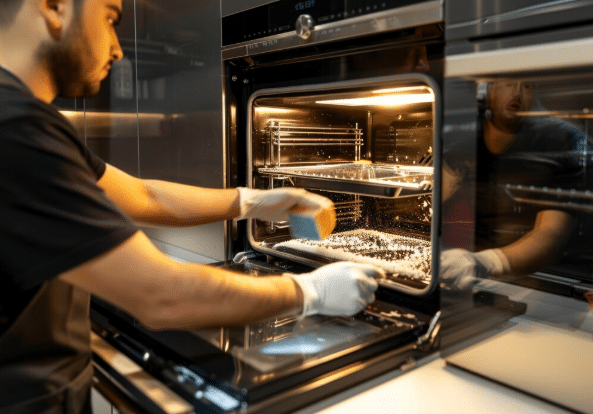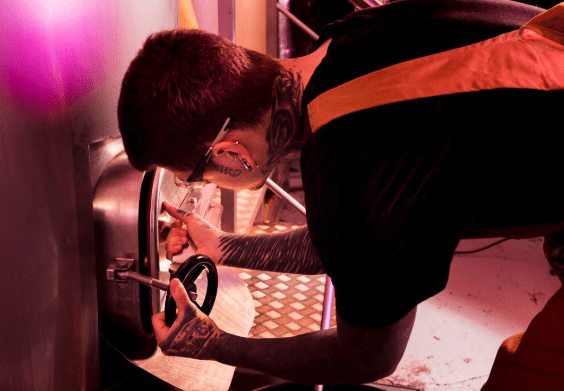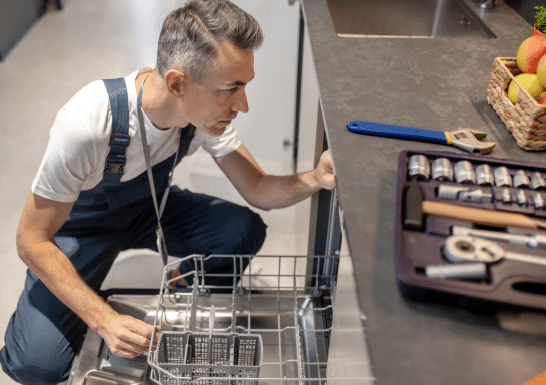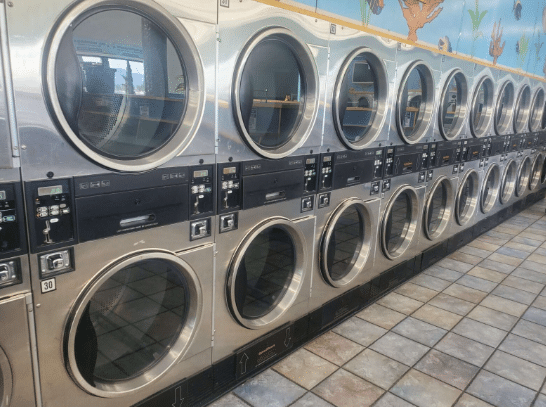

Preventive maintenance keeps commercial kitchen equipment working by finding small problems early, checking important parts, and reducing sudden breakdowns. Restaurants, cafés, hotels, and other food businesses depend on ovens, refrigerators, freezers, fryers, and dishwashers every day.
Commercial kitchen equipment maintenance gives each appliance regular care before a problem stops kitchen work. Simple checks can find worn parts, leaks, strange sounds, and poor performance. A good maintenance plan can also reduce downtime and help staff keep the kitchen running during busy hours.
Why Preventive Maintenance Matters
Commercial kitchen equipment can run for many hours each day. Heat, grease, water, and heavy use can wear down motors, seals, fans, heating parts, and controls. A small problem can become much worse if it is ignored.
Regular service gives a technician a chance to check the equipment before it breaks down. It can also find changes in performance, such as slow heating, weak cooling, strange sounds, or longer running times.
Key Maintenance Tasks for Kitchen Equipment
Every appliance has different parts and needs. A refrigerator needs different care than an oven or dishwasher. Maintenance should focus on the parts that keep the equipment working safely and properly.
Common maintenance tasks include:
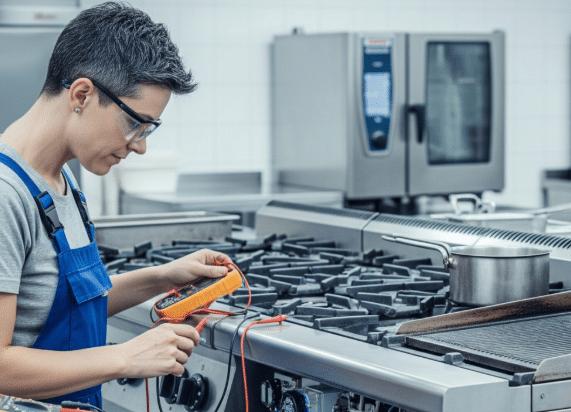
- Checking electrical connections and controls
- Checking belts, seals, hoses, and other parts
- Cleaning grease and dirt from key areas
- Checking heating and cooling
- Looking for leaks or damaged parts
- Testing the equipment after service
- Replacing worn parts when needed
Regular checks can also make repairs easier to plan. A problem found during a service visit may be easier to handle than a sudden breakdown during a busy lunch or dinner shift.
Early Warning Signs of Equipment Problems
Kitchen staff use appliances every day, so they may notice small changes first. A machine can still work while showing signs of a problem. Strange sounds, weak heating, poor cooling, water leaks, error codes, unusual smells, and longer running times should be reported. Quick action can give a technician time to find the problem before the equipment stops working.
Benefits of Regular Equipment Care
A broken appliance can slow down the whole kitchen. An oven that stops heating can delay food orders. A refrigerator that stops cooling can put stored food at risk. A dishwasher problem can create a shortage of clean dishes.
Regular care can lower the chance of sudden equipment problems. It cannot stop every breakdown, but it can help find worn parts and other issues before they become bigger problems.
Repair and Maintenance Work
Maintenance and repair are not the same. Maintenance keeps equipment in good condition and looks for early signs of trouble. Repair fixes a part or problem after an appliance is not working properly.
Commercial kitchen equipment repair may be needed when an appliance stops working, cannot keep the right temperature, leaks, or has an electrical or mechanical problem. A trained technician can inspect the equipment and find the right way to fix it.
Building a Simple Maintenance Routine
A simple service schedule can make equipment care easier. Managers can keep records of service dates, repairs, equipment problems, and replaced parts. These records can show which appliances may need more care.
Staff can also follow basic daily care steps. Keeping equipment clean, using it correctly, avoiding overloading, and reporting problems early can support better performance. Professional service can handle work that needs special tools or training.
Protecting Equipment Before Problems Grow
Waiting for an appliance to stop working can create stress during busy hours. Preventive care gives businesses a chance to find problems early and plan service before the issue becomes urgent.
For equipment already showing problems, timely commercial kitchen equipment repair can fix faults before they cause longer downtime. Regular care and quick repairs can keep important appliances ready for daily kitchen work.
Frequently Asked Questions
How often should commercial kitchen equipment be maintained?
The right schedule depends on the appliance, how much it is used, and the maker’s instructions. Daily cleaning and basic checks should be combined with regular professional service.
What kitchen equipment needs preventive maintenance?
Ovens, refrigerators, freezers, dishwashers, fryers, ice machines, and other commercial appliances can all need regular maintenance. Each appliance needs care based on its parts and daily use.
Can preventive maintenance stop equipment breakdowns?
Preventive maintenance cannot stop every breakdown. However, regular checks can find worn parts and small problems early. Fixing these issues may reduce sudden failures and unplanned kitchen downtime.
What are the signs kitchen equipment needs service?
Strange sounds, slow heating or cooling, leaks, error codes, unusual smells, and changes in normal performance can signal a problem. These signs should be checked before the appliance stops working.
What is the difference between maintenance and repair?
Maintenance keeps equipment in good working order and looks for early problems. Repair fixes a known problem, replaces damaged parts, or restores an appliance after its performance has dropped.
Keep the Kitchen Ready for Busy Hours
Reliable equipment makes kitchen work easier. Regular checks, proper use, and quick attention to warning signs can reduce avoidable problems. Bay Master Appliances provides professional appliance service for businesses that need help with commercial kitchen equipment. Contact Bay Master Appliances to schedule service and keep essential appliances ready for busy shifts.
Final Thoughts
Preventive maintenance is a simple way to care for commercial kitchen equipment. Regular checks can find worn parts, leaks, poor performance, and other problems before they become serious. Good equipment care can also support longer appliance life and fewer work interruptions. Consistent commercial kitchen equipment maintenance helps businesses stay ready instead of waiting for a sudden breakdown.